The wear mechanism of alumina ceramics can be divided into brittle fracture wear and plastic deformation wear. The former is characterized by intergranular fracture and grain shedding, while the latter is characterized by transgranular fracture and microscopic cutting. The wear rate of the former is much higher than that of the latter.
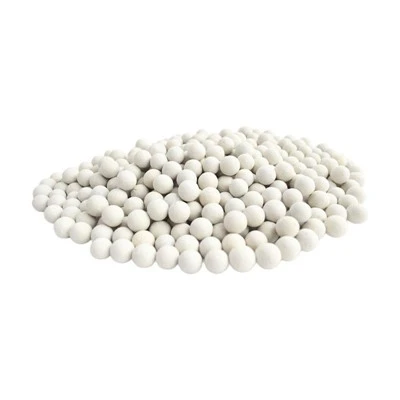
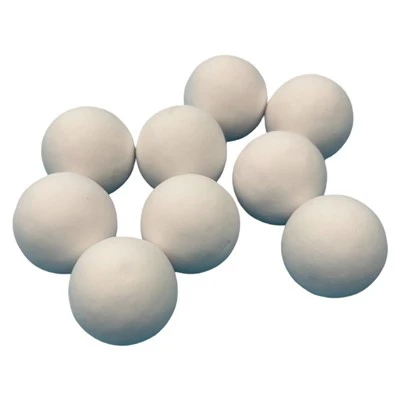
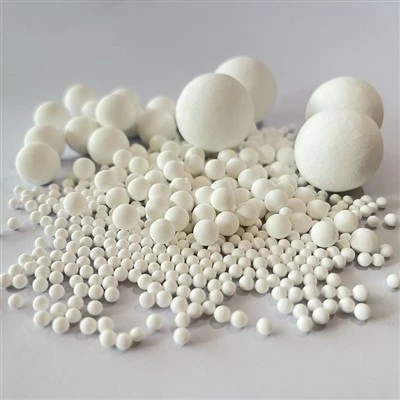
It is desirable for ceramics to undergo plastic deformation wear. Internal factors of ceramics have a significant impact on the plastic deformation wear mechanism. Alumina ceramic balls are a type of friction and wear component, and their wear rate is affected by both internal and external factors, with internal factors having a greater impact.
The wear resistance of alumina ceramics is closely related to the synergistic effect of its mechanical properties and microstructure, namely its internal factors, elastic modulus, hardness, fracture toughness, grain size, grain boundaries, and porosity. Extensive research has been conducted on this, with toughness and grain size being the most studied internal factors most closely related to wear resistance. Toughness has a significant impact on the friction and wear of ceramics. Since smaller grains result in better wear resistance, wear-resistant ceramics are developing towards microcrystalline structures. However, nano-alumina ceramics are very expensive and difficult to promote in engineering applications. Therefore, the research focus of alumina ceramic wear-resistant materials has been on breakthroughs and developments in the grain size range of a few micrometers.