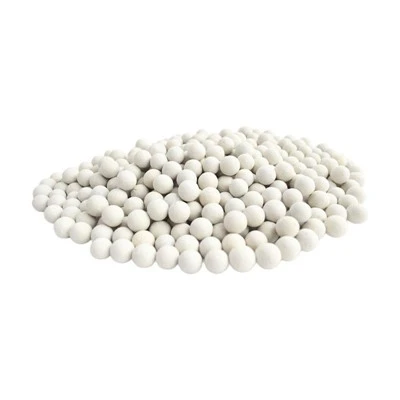
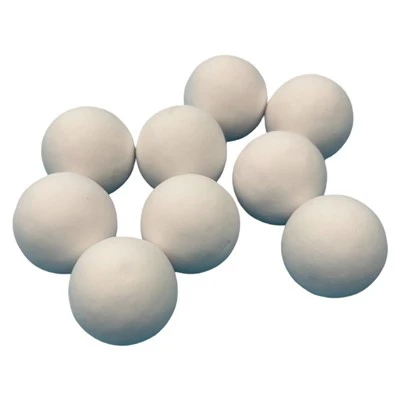
Purchasing grinding ceramic balls is a task that requires comprehensive consideration of multiple factors. First, clearly defining the procurement needs is crucial. Grinding ceramic balls are widely used in various fields such as chemical, pharmaceutical, and food processing. Different application scenarios have different requirements for the specifications, materials, density, and corrosion resistance of the ceramic balls. Therefore, before purchasing, it is necessary to determine the required type, size range, and operating environment conditions of the ceramic balls based on the actual process requirements. For example, ceramic balls used in high acid and alkaline environments should have higher corrosion resistance, while products with excellent heat resistance should be selected for high-temperature conditions.
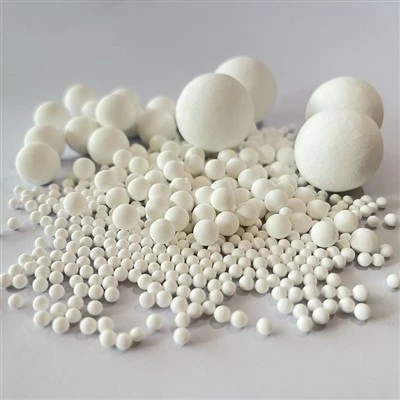
Second, understanding product parameters and performance indicators is fundamental to ensuring procurement quality. Grinding ceramic balls are typically made of materials such as alumina, zirconia, and quartz, each with significant differences in physical properties. For example, alumina ceramic balls have good wear resistance and chemical stability, making them suitable for most industrial grinding processes; while zirconia ceramic balls, due to their higher hardness and compressive strength, are often used in high-intensity grinding or precision material handling scenarios. Furthermore, the particle size distribution, density, and surface finish of the ceramic balls are also important factors affecting their performance and must be matched according to the specific process flow.
During the procurement process, it is also essential to pay attention to product certification standards and test reports. High-quality grinding ceramic balls should pass relevant industry standard tests, such as ISO, ASTM, or GB, and provide corresponding quality certification documents. These documents not only ensure product compliance but also provide traceability for quality issues during subsequent use. It is also recommended that the purchaser conduct actual testing on samples to verify whether they meet the expected performance requirements.
Furthermore, the choice of procurement channels directly affects product quality and after-sales service. Suppliers with good reputations and extensive experience should be prioritized to ensure a stable supply of products and technical support. Establishing long-term partnerships can help obtain more favorable prices and more flexible procurement options. When signing contracts, product quality requirements, delivery cycles, acceptance standards, and after-sales responsibilities should be clearly defined to protect the rights of both parties.
Finally, post-procurement management and maintenance are equally important. Grinding ceramic balls may experience reduced performance due to wear, breakage, or contamination during use; therefore, their condition should be checked regularly, and damaged parts should be replaced promptly. The storage environment should also be kept dry and well-ventilated to prevent moisture or reactions with other chemicals. Scientific procurement and management can effectively extend the lifespan of grinding ceramic balls, improving production efficiency and product quality.
In conclusion, procuring grinding ceramic balls requires a multi-faceted approach, including demand analysis, parameter matching, quality inspection, channel selection, and post-procurement management, to ensure the scientific and rational nature of the procurement process. Only by comprehensively mastering relevant knowledge can optimal decisions be made in a complex and ever-changing market environment.