Acid-resistant sheets serve as an "invisible armor" against corrosion in the industrial field. The core materials fall into three main categories:
Resin-based composite materials: Using epoxy resin as a matrix, with fillers such as quartz sand added to form a dense, impermeable structure.
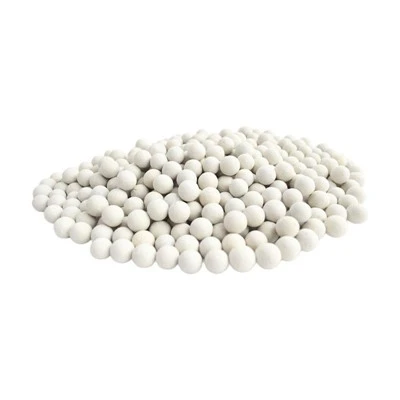
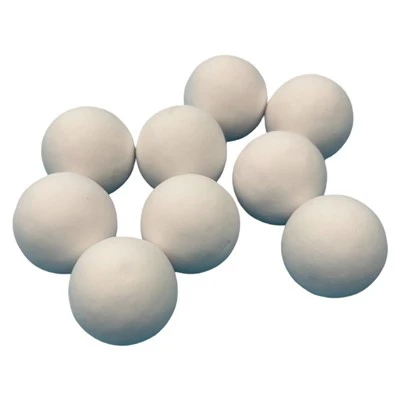
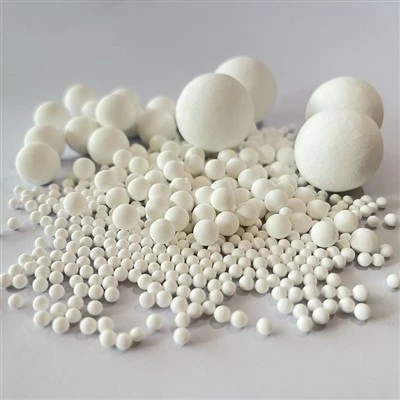
Ceramic materials: Alumina ceramics are sintered at high temperatures to achieve stable performance in acid and alkali environments.
Rubber-based materials: Natural/synthetic rubber, modified with special formulas, becomes the main raw material for acid-resistant rubber sheets.
Unique advantages of acid-resistant rubber sheets: This "breathable protective shield" possesses amazing properties:
Molecular structural toughness: A three-dimensional network formed through vulcanization synthesis. The unique structure effectively blocks acid penetration.
Temperature adaptability: Maintains elasticity in environments ranging from -30℃ to 80℃, preventing low-temperature brittleness.
Combined physical protection: 5-12mm thickness ensures both flexibility and resistance to mechanical wear.
A smart choice for industrial scenarios: Different environments require different material solutions:
Chemical workshop floors: Use acid-resistant rubber sheets thicker than 8mm, combining anti-slip and impact resistance.
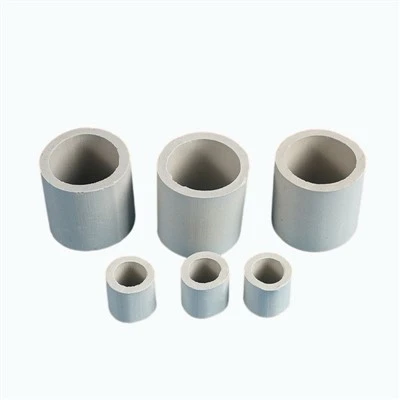
Pickling tank linings: Ceramic-based acid-resistant sheets are more suitable for high-temperature, concentrated acid environments.
Pipe seals: Made from rubber sheets cut to shape, utilizing their elasticity to achieve dynamic sealing.