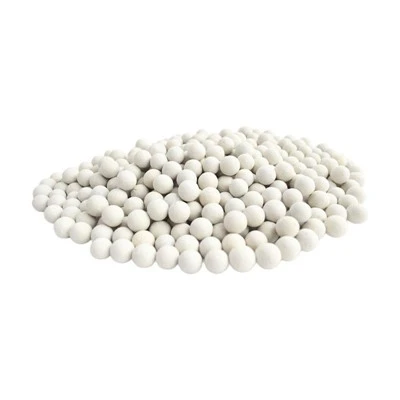
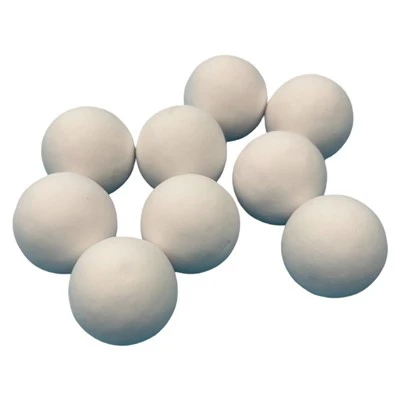
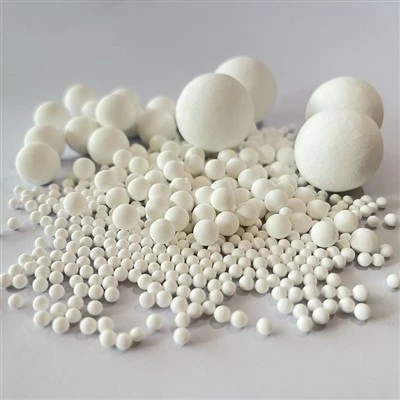
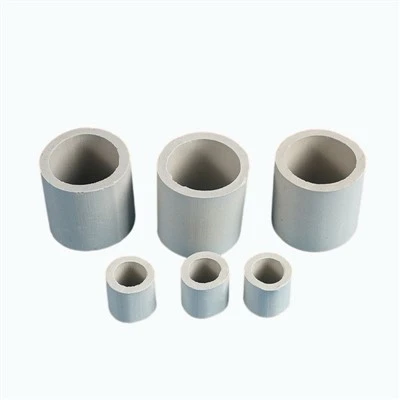
The storage conditions for ceramic balls are crucial, affecting their performance and quality.
First, the storage environment must maintain a relatively stable temperature. Generally, the suitable temperature range is between 5℃ and 35℃. Excessively high temperatures may cause changes in the internal structure of the ceramic balls, affecting their hardness, wear resistance, and other properties; excessively low temperatures may make the ceramic balls brittle and prone to breakage upon slight impacts.
Second, humidity conditions are also important. Relative humidity should be controlled at around 40% to 70%. An overly humid environment will cause the ceramic balls to absorb moisture on their surface, potentially leading to oxidation or corrosion and reducing their lifespan; while an overly dry environment may generate static electricity, attracting dust and other impurities, which also negatively impacts the quality of the ceramic balls.
Furthermore, the storage space must be kept clean and well-ventilated. Avoid contact between the ceramic balls and corrosive substances, dust, oil, etc. These contaminants may corrode the surface of the ceramic balls, damaging their smoothness and thus affecting their performance during use.
In addition, ceramic balls should be stored separately to avoid collisions. Ceramic balls of different sizes and materials should be stored separately to prevent cracks and damage caused by friction and impact during storage.
Finally, the storage container is also important. Choose dry, well-sealed containers, such as plastic boxes or resealable bags, to properly package and store the ceramic balls. This effectively prevents external factors from damaging the ceramic balls, ensuring their quality remains stable during storage and allowing them to perform at their best in subsequent use. In short, following appropriate storage conditions ensures that the performance of ceramic balls is not affected, extends their service life, and meets the needs of various application scenarios.