Nitrifying bacteria are colorless, odorless, and invisible to the naked eye, yet they play the role of "invisible scavengers" in aquarium ecosystems.
They attach to porous solid surfaces with large surface areas, gradually converting toxic ammonia and nitrite into less toxic nitrate-a process called nitrification, the core of the aquarium's nitrogen cycle.
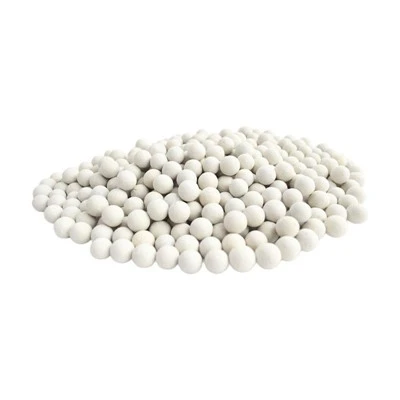
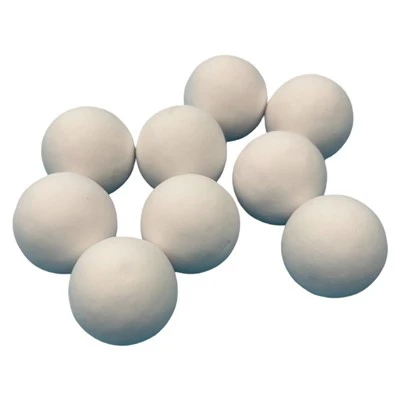
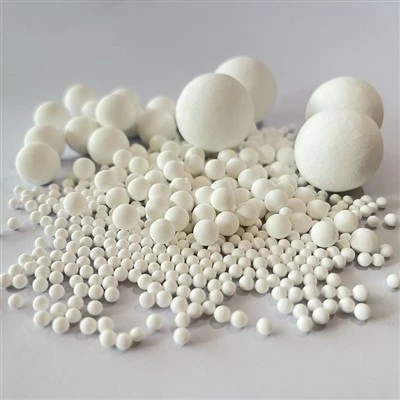
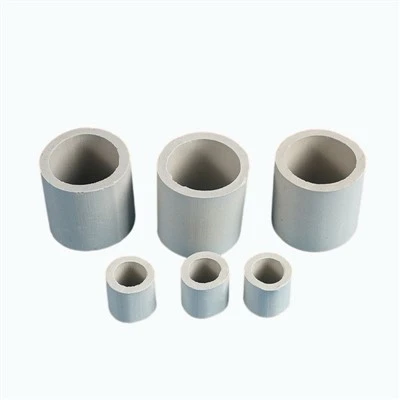
The microstructure of ceramic rings is filled with honeycomb-like micropores with a suitable pore size (0.5–5 micrometers). This allows water to flow slowly, improving contact efficiency, while providing a stable space for nitrifying bacteria to attach and reproduce. They consume no electricity, generate no noise, and do not compete for oxygen; they silently carry out the underlying logic of life transformation. This synergistic physical and biological purification mechanism is the irreplaceable "ecological foundation" of aquarium filter materials.