Raw Material Selection
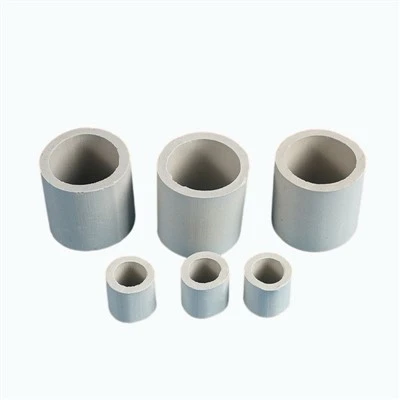
Ceramic rings are a common industrial wear-resistant material. Their main raw materials are alumina and zirconium oxide powders, which undergo mixing and grinding processes. The ratio of alumina to zirconium oxide and the powder quality indicators are factors affecting the quality of ceramic rings. Therefore, in the raw material selection stage, meticulous screening and proportioning of materials are necessary to ensure the consistent quality of the final product.
Molding
Ceramic rings are molded in various ways, commonly using injection molding, hot pressing, and extrusion. Injection molding is the most common method, where powdered raw materials are extruded through a mold under high pressure to form the product.
Firing
Firing is a crucial step in the ceramic ring manufacturing process, directly affecting the quality of the final product. Firing temperature, time, and firing atmosphere all influence the physical and chemical properties of the ceramic ring. Therefore, these factors must be strictly controlled during firing to ensure the consistent quality of the final product.
Features and Applications
Ceramic rings are characterized by high hardness, good wear resistance, and strong corrosion resistance, and are widely used in industries such as chemical, petroleum, electronics, and metallurgy, including sealing rings in machinery such as glass kilns, coal mining equipment, and petrochemical pumps. They are also widely used in abrasives, guide rails, crushing, and screening processes.