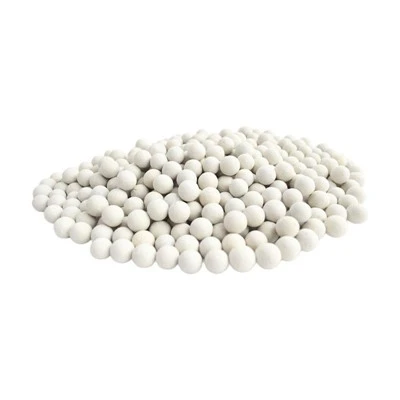
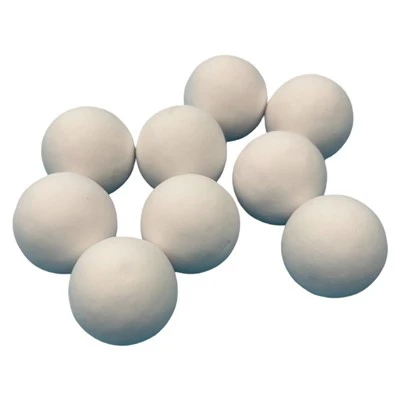
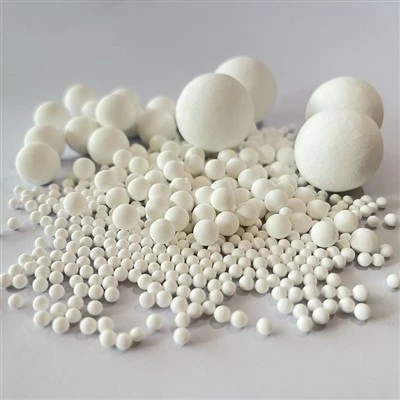
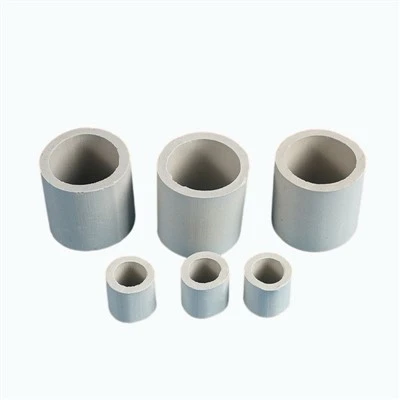
First, from a chemical perspective, ceramic rings are typically made of ceramic materials such as alumina, possessing extremely high stability and corrosion resistance. They do not react with chemicals in the water, do not dissolve or release harmful substances, and maintain stable physical and chemical properties over long-term use, providing a safe and reliable living environment for aquatic life.
Second, in terms of physical structure, ceramic rings have a highly developed porous structure. These pores are extremely small and evenly distributed, providing a large surface area. This allows a large number of beneficial microorganisms to attach to their surface, grow, and reproduce, forming a strong biofilm. These biofilms can effectively decompose organic matter, ammonia nitrogen, and other harmful substances in the water, thus purifying the water.
Furthermore, ceramic rings are hard and wear-resistant. They are not easily eroded or worn by water flow, allowing for long-term use in aquariums and other aquatic environments without damage, ensuring the durability of their filtration and purification functions.
In addition, ceramic rings have a relatively high density, maintaining a stable position in water and not easily floating or moving, making them easy to install and use. Moreover, their color is usually white or off-white, not affecting the water's transparency and not negatively impacting the aesthetic appeal.
In summary, ceramic rings, with their stable chemical properties, well-developed pore structure, hardness, wear resistance, and high density, have become an important filter material in water treatment systems such as aquariums, playing a vital role in maintaining water quality stability and the healthy growth of aquatic organisms.